
What Is Eczema?
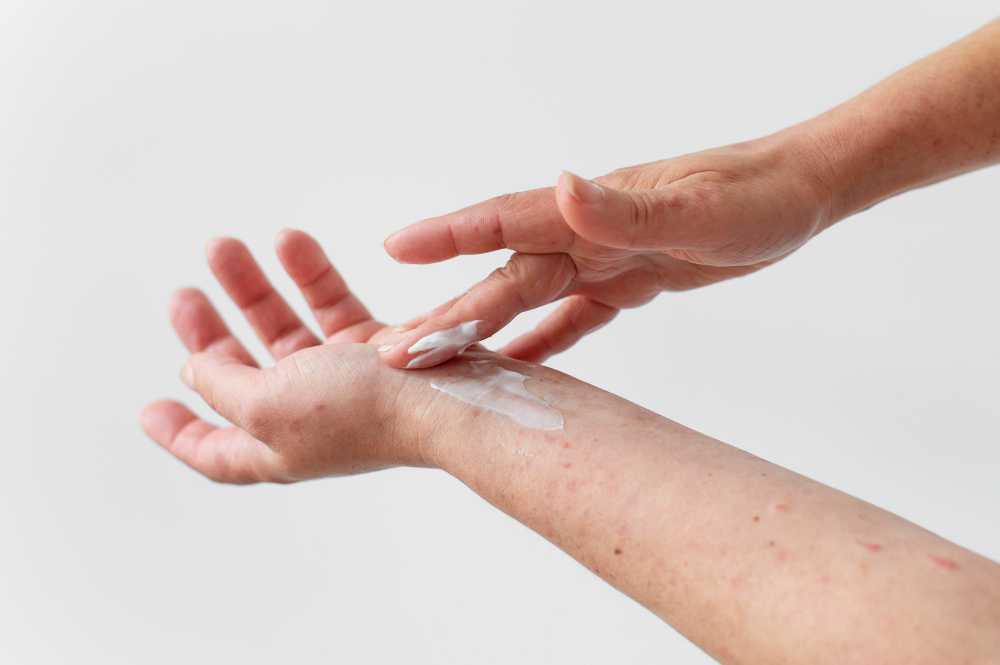
Eczema is a common skin condition. It causes dry, itchy, and red patches on the skin. Many people call it atopic dermatitis. While it can affect anyone, it often starts in childhood. Eczema is not contagious, so you cannot catch it from someone else. However, it can be uncomfortable and sometimes painful. According to the World Health Organization (WHO), eczema affects millions worldwide. Understanding eczema causes and prevention can help you manage symptoms and avoid flare-ups.
Common Causes of Eczema
Several factors can trigger eczema. Knowing these causes can help you avoid them. For example, genetics play a big role. If your parents have eczema, you are more likely to get it too. In addition, the environment can affect your skin. Here are some common causes:
Sometimes, a mix of these factors can trigger a flare-up. The Centers for Disease Control and Prevention (CDC) notes that avoiding triggers is key for eczema prevention.
Prevention Tips for Eczema
Preventing eczema flare-ups is possible with simple steps. First, keep your skin moist. Dry skin can make eczema worse. Next, avoid known triggers whenever you can. Here are some helpful eczema prevention tips:
Additionally, keeping your home clean can help reduce allergens. If you follow these tips, you may notice fewer flare-ups over time.
How to Choose the Right Sunscreen for Your Skin Type if You Have Eczema
Sun protection is important for everyone. However, if you have eczema, you need to choose sunscreen carefully. Some sunscreens can irritate sensitive skin. So, how do you pick the best sunscreen for eczema-prone skin?
Moreover, reapply sunscreen every two hours when outdoors. If you sweat or swim, apply it more often. The American Academy of Dermatology recommends mineral sunscreens for people with sensitive or eczema-prone skin.
Lifestyle and Skincare Guidance for Eczema Prevention
Healthy habits can make a big difference. For instance, eating a balanced diet helps your skin stay strong. Drinking plenty of water keeps your skin hydrated. Here are more ways to prevent eczema flare-ups:
Finally, regular check-ups with your doctor can help you manage eczema. If you notice new or worsening symptoms, seek medical advice right away.
Conclusion
In summary, understanding eczema causes and prevention is the first step to healthy skin. By following simple tips and choosing the best sunscreen for eczema-prone skin, you can reduce flare-ups. For personalized advice on eczema prevention and skincare, consult a dermatologist.