
Overview of Acne Vulgaris
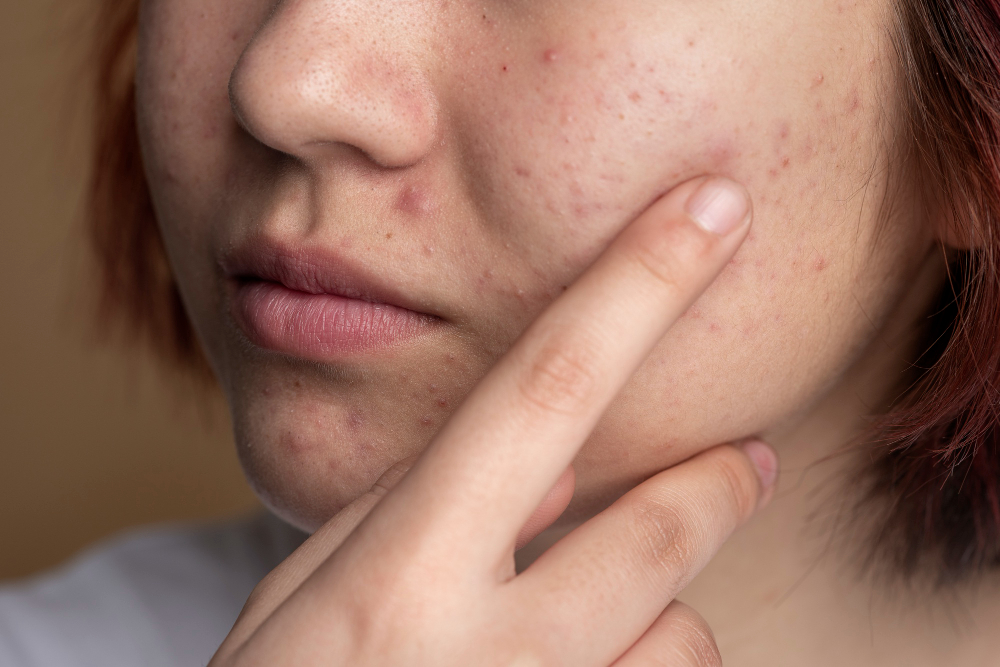
Acne vulgaris is a common skin condition. It affects people of all ages, but teenagers get it most often. In fact, about 85% of people between ages 12 and 24 experience acne at some point. The causes of acne vulgaris are many, and understanding them can help you manage your skin better. Acne vulgaris happens when hair follicles become clogged with oil and dead skin cells. This leads to pimples, blackheads, and sometimes deeper lumps. Although acne is not dangerous, it can affect self-esteem. Because many people ask, “what causes acne vulgaris?”, it is important to know the real reasons behind breakouts.
Main Causes of Acne Vulgaris
Several factors contribute to acne vulgaris. While some causes are well-known, others may surprise you. Below are the main reasons why people get acne:
Because these factors often work together, it can be hard to pinpoint a single cause. According to the American Academy of Dermatology, most acne cases involve more than one factor.
Myths vs. Facts About Acne Causes
Many myths surround the causes of acne vulgaris. It is important to know what is true and what is not. For example, some people believe that eating greasy foods always causes acne. However, research shows that oil from food does not directly cause breakouts. Instead, excess oil on the skin is the main issue. Another common myth is that poor hygiene leads to acne. In reality, washing your face too often can irritate the skin and make acne worse. Additionally, some think that only teenagers get acne, but adults can have it too. Because of these myths, people may try treatments that do not work. Always rely on facts from trusted sources like the CDC or dermatology experts.
Risk Factors That Increase Susceptibility
Some people are more likely to develop acne vulgaris than others. The following risk factors can increase your chances:
Because these risk factors often overlap, it is important to pay attention to your skin and lifestyle. If you notice frequent breakouts, consider which factors might be affecting you.
Summary
In summary, the causes of acne vulgaris include hormones, genetics, excess oil, bacteria, diet, stress, and medications. While many myths exist, facts from reliable sources help us understand what really causes acne. If you are concerned about acne, consult a dermatologist for personalized advice.