
Introduction
Acne scars are marks left on the skin after pimples heal. These scars can be flat, raised, or sunken. For many people, acne scars affect self-confidence and how they feel about their skin. However, there are ways to help prevent these scars. In this blog, you will learn how to prevent acne scars and find the best acne scar prevention tips for clearer skin.
Causes of Acne Scars
Acne scars form when the skin tries to heal after a pimple. Sometimes, the skin makes too much or too little tissue. This can leave a mark. Deep or inflamed pimples are more likely to cause scars. Picking or squeezing pimples can also damage the skin and lead to scarring. According to the American Academy of Dermatology, early and gentle care helps lower the risk of scars.
Risk Factors for Developing Scars
Some people are more likely to get acne scars. Here are common risk factors:
Even so, anyone can take steps to lower their risk.
Evidence-Based Prevention Strategies
Skincare Routines
First, wash your face gently twice a day with a mild cleanser. Do not scrub hard, as this can irritate the skin. Next, use non-comedogenic (won’t clog pores) products. Moisturize daily, even if your skin feels oily. Always remove makeup before bed. These steps help keep your skin healthy and reduce breakouts.
Lifestyle Tips
Healthy habits support your skin from the inside out.
Early Acne Treatment
Start treating acne as soon as it appears. Over-the-counter creams with benzoyl peroxide or salicylic acid can help. If acne does not improve, see a dermatologist. Early treatment lowers the chance of scars forming.
Avoid Picking or Squeezing
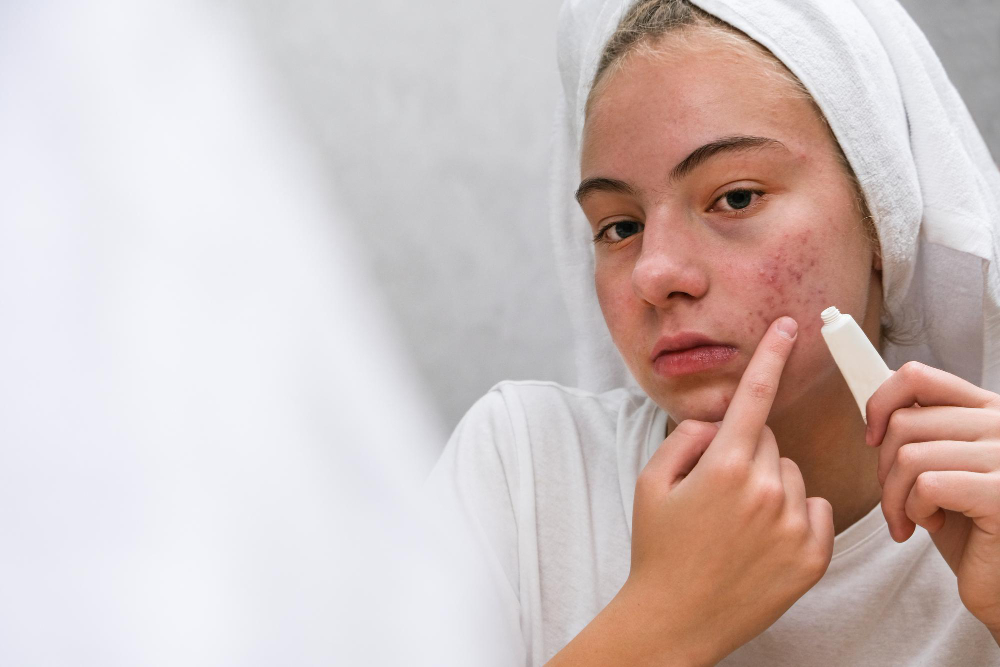
It may be tempting to pop pimples, but this can push bacteria deeper into the skin. As a result, scars are more likely to form. Instead, let pimples heal naturally or use spot treatments.
Sun Protection
Sun exposure can make scars darker and harder to fade. Therefore, use sunscreen with at least SPF 30 every day. Wear a hat or seek shade when outdoors. This protects both healing skin and old scars.
When to Seek Professional Help
If your acne is severe, painful, or not improving, it is time to see a dermatologist. Also, if you notice scars forming, early treatment can help. Dermatologists offer stronger treatments and advice tailored to your skin. According to the CDC, professional care can prevent long-term skin problems.
Frequently Asked Questions About Acne Scar Prevention
Conclusion with Actionable Advice
In summary, preventing acne scars is possible with the right steps. Start with gentle skincare, treat acne early, and avoid picking at pimples. Protect your skin from the sun every day. If you need help, do not wait to see a dermatologist. Clearer skin is within reach. Consult a dermatologist for personalized advice on acne scar prevention.