

Introduction
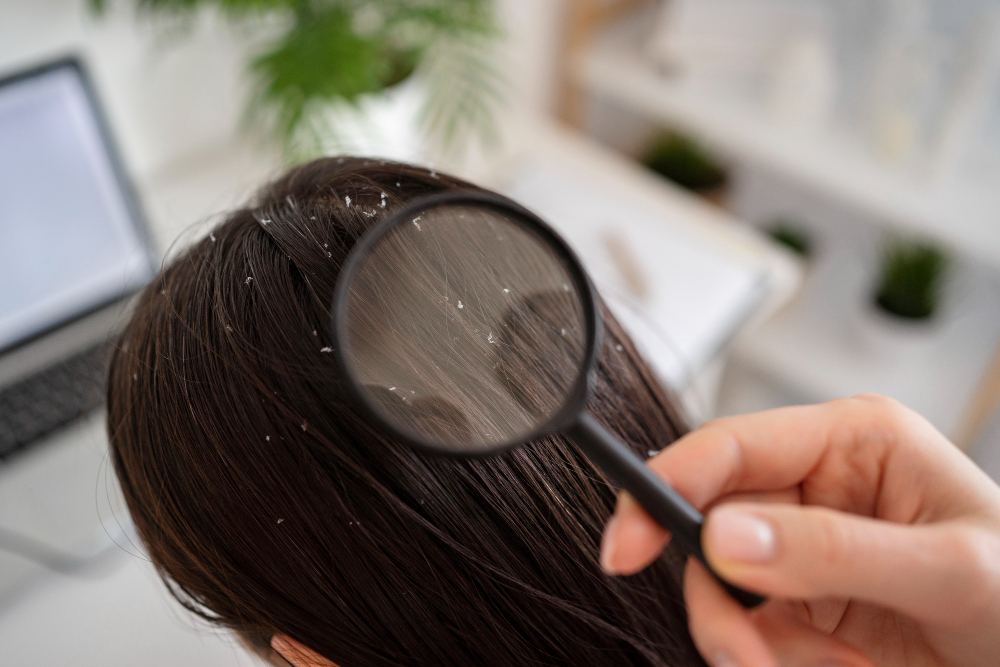
Scalp flakes are small, white or yellow pieces of skin that fall from your scalp. Many people notice these flakes on their shoulders or in their hair. But what causes them? The answer is not always simple. Sometimes, scalp flakes come from dandruff. Other times, they may be a sign of tinea, also called scalp ringworm. The brush test is a simple way to help tell the difference. Knowing if you have dandruff or tinea is important. Each condition needs a different treatment. In this blog, we will explain scalp flakes, the brush test, and how to tell dandruff from tinea.
What Are Scalp Flakes?
Scalp flakes are pieces of dead skin that come off the scalp. They can look white, yellow, or even gray. Often, you may see them after brushing or combing your hair. Scalp flakes can be caused by many things. For example, dry skin, dandruff, or a fungal infection like tinea can all lead to flakes. Sometimes, using harsh hair products or washing your hair too often can make the problem worse. However, not all scalp flakes are the same. It is important to find out what is causing them.
Dandruff: Causes, Symptoms, and Diagnosis
Dandruff is a common cause of scalp flakes. It happens when the scalp sheds skin cells too quickly. The exact cause is not always clear. But, experts believe that a yeast called Malassezia plays a role. Other factors, such as oily skin, stress, or cold weather, can make dandruff worse. According to the American Academy of Dermatology, dandruff affects up to half of adults at some point.
Still, if the flakes do not improve with regular care, you may need to see a doctor.
Tinea (Scalp Ringworm): Causes, Symptoms, and Diagnosis
Tinea, also called scalp ringworm, is a fungal infection. It is more common in children, but adults can get it too. The fungus spreads through close contact or by sharing combs, hats, or towels. In the US and worldwide, tinea is a leading cause of patchy hair loss in kids, according to the CDC.
Unlike dandruff, tinea can spread to others. Early treatment is important to stop the infection.
The Brush Test: How It Helps Differentiate Dandruff from Tinea
The brush test is a simple way to check for scalp conditions. During this test, a doctor gently brushes the scalp to collect flakes and hairs. Then, the samples are checked under a microscope. This helps tell if the flakes are from dandruff or tinea.
Because dandruff and tinea look similar, the brush test is helpful. It guides doctors to the right treatment.
Treatment Options for Dandruff and Tinea
Treatment depends on the cause of your scalp flakes. For dandruff, most people get better with over-the-counter shampoos. These shampoos may contain zinc, selenium, or ketoconazole. Use them as directed for best results. If dandruff does not improve, a doctor may suggest a stronger shampoo or a prescription.
For tinea, you need antifungal medicine. Over-the-counter shampoos are not enough. Doctors often prescribe pills that fight the fungus from inside the body. Sometimes, a special shampoo is also used to stop the spread. It is important to finish all medicine, even if your scalp looks better.
Prevention Tips and Scalp Care
Good scalp care can help prevent both dandruff and tinea. Here are some tips:
However, if your scalp flakes do not go away, see a doctor. Early care can prevent problems from getting worse.
Conclusion
Scalp flakes can be caused by dandruff or tinea. The brush test helps doctors tell the difference. Because each condition needs a different treatment, it is important to know the cause. If you notice persistent scalp flakes, consult a dermatologist for accurate diagnosis and personalized treatment.