Understanding Acne and Its Impact
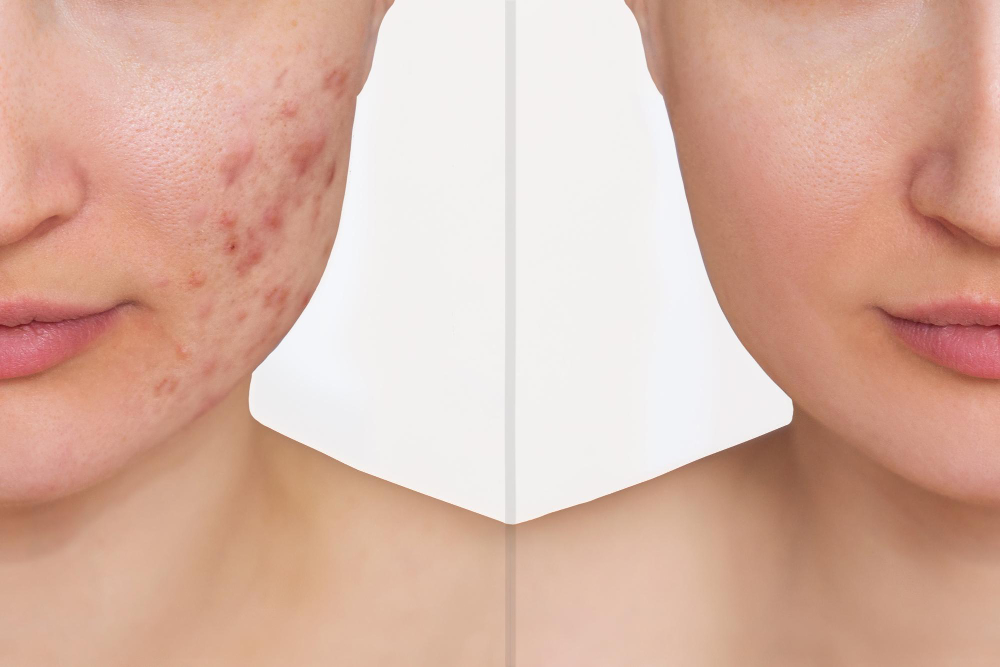
Acne is a common skin problem that affects people of all ages. For many, it causes not only spots but also stress and low confidence. Because acne can appear on the face, chest, or back, it often makes people feel self-conscious. However, with the right acne treatment, you can manage symptoms and work toward clearer skin.
Common Symptoms of Acne
Acne shows up in different ways. For example, you may notice:
Although symptoms can vary, most people experience at least one of these signs. Early treatment can help reduce long-term effects.
Causes and Risk Factors
Acne develops when hair follicles become blocked by oil and dead skin cells. Because hormones can increase oil production, teenagers often get acne. However, adults can also have breakouts. Other risk factors include:
While you cannot control all risk factors, you can take steps to reduce your chances of breakouts.
Acne Treatment Options
There are many ways to treat acne. Because each person’s skin is different, you may need to try more than one method. Here are some of the best acne solutions:
Topical Treatments
Most of these are available over the counter. However, stronger versions may need a prescription.
Oral Medications
Because oral medicines can have side effects, always talk to your doctor before starting them.
Lifestyle Changes
Although lifestyle changes alone may not cure acne, they can support other treatments.
Professional Treatments
For severe or stubborn acne, a dermatologist can suggest the best option for you.
Tips for a Daily Skincare Routine
Even simple changes can help your skin. For example:
Because climate can affect your skin, those in humid areas should wash more often, while people in dry places should use gentle moisturizers.
Prevention Strategies
Although you cannot always prevent acne, these steps can lower your risk:
With these habits, you can support your skin’s health and reduce breakouts.
When to See a Dermatologist
If your acne does not improve after several weeks, it may be time to see a dermatologist. Also, if you have painful cysts, scarring, or feel upset about your skin, a skin doctor can help. Because they have access to advanced treatments, they can create a plan just for you.
Conclusion
Acne treatment works best when you use the right mix of products and habits. While mild acne often improves with over-the-counter solutions, severe cases may need a doctor’s help. For the best results, consult a dermatologist for personalized acne treatment advice.