

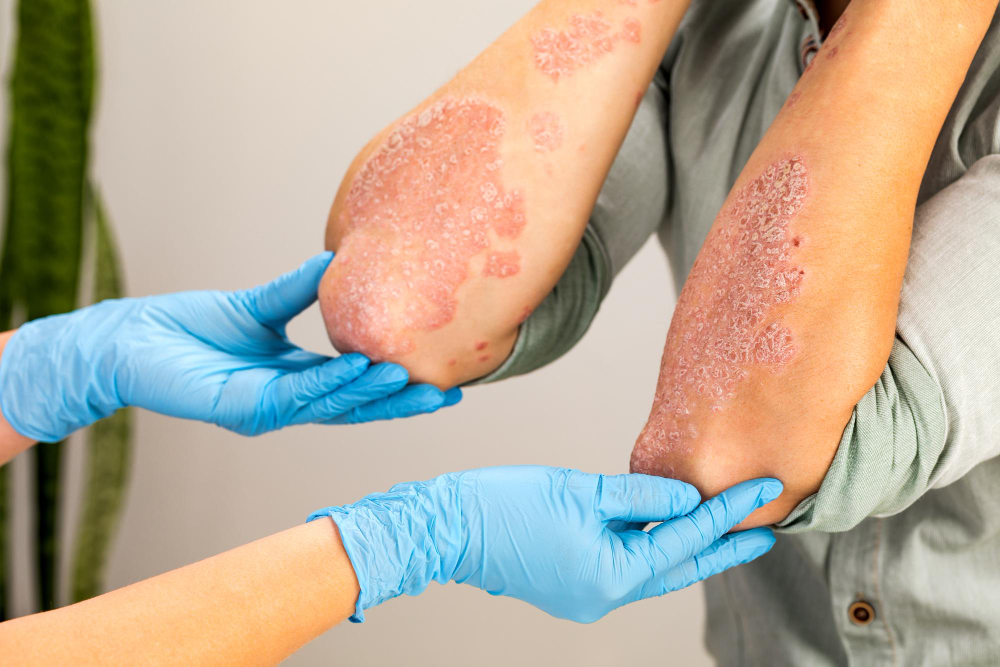
What is Dermatitis (Skin Irritation)?
Dermatitis (skin irritation) is a common condition that makes your skin red, swollen, or itchy. Many people experience it at some point. While it can be uncomfortable, most cases are not serious. However, some types may need medical care. According to the World Health Organization (WHO), dermatitis affects millions worldwide. Because it can look different for each person, knowing the basics helps you spot and manage it early.
Common Symptoms of Dermatitis
Dermatitis symptoms can vary. Still, most people notice changes in their skin. For example, you may see:
Sometimes, symptoms come and go. But in other cases, they last for weeks. If you notice these signs, it may be dermatitis (skin irritation).
Causes and Risk Factors
There are many skin irritation causes. Some common ones include:
Additionally, people with sensitive skin are at higher risk. Children and older adults may also be more likely to get dermatitis.
How is Dermatitis Diagnosed?
Doctors diagnose dermatitis (skin irritation) by looking at your skin. First, they ask about your symptoms and medical history. Next, they may check for triggers, such as new soaps or foods. Sometimes, doctors do skin tests or allergy tests. These help find the cause. In rare cases, a small skin sample (biopsy) is needed. Early diagnosis helps you get the right treatment for dermatitis.
Treatment Options for Dermatitis
Treatment for dermatitis depends on the cause and severity. Most cases improve with simple steps. For example, doctors may suggest:
For severe cases, stronger medicines or light therapy may be needed. Always follow your doctor’s advice for the best results.
Lifestyle Tips and Home Remedies
Simple changes can help manage dermatitis (skin irritation) at home. For instance, you can:
Additionally, cool compresses may soothe itching. But if symptoms get worse, see a doctor.
Prevention Strategies
Preventing skin irritation is possible with a few steps. For example:
Because prevention is easier than treatment, these habits can help keep your skin healthy.
When to See a Dermatologist
Sometimes, dermatitis (skin irritation) does not improve with home care. In these cases, you should see a dermatologist if:
Early medical advice can prevent complications. Therefore, do not wait if you are worried about your skin.
Consult a dermatologist for personalized advice on dermatitis (skin irritation).