
Introduction
Moles vs. melanoma: spot the difference to protect your skin health. Many people have moles, but sometimes, a mole can change or look unusual. Because melanoma is a serious type of skin cancer, knowing how to tell if a mole is cancerous is important. Early detection can save lives. In this blog, you will learn the key differences, warning signs, and tips to keep your skin healthy.
What Are Moles?
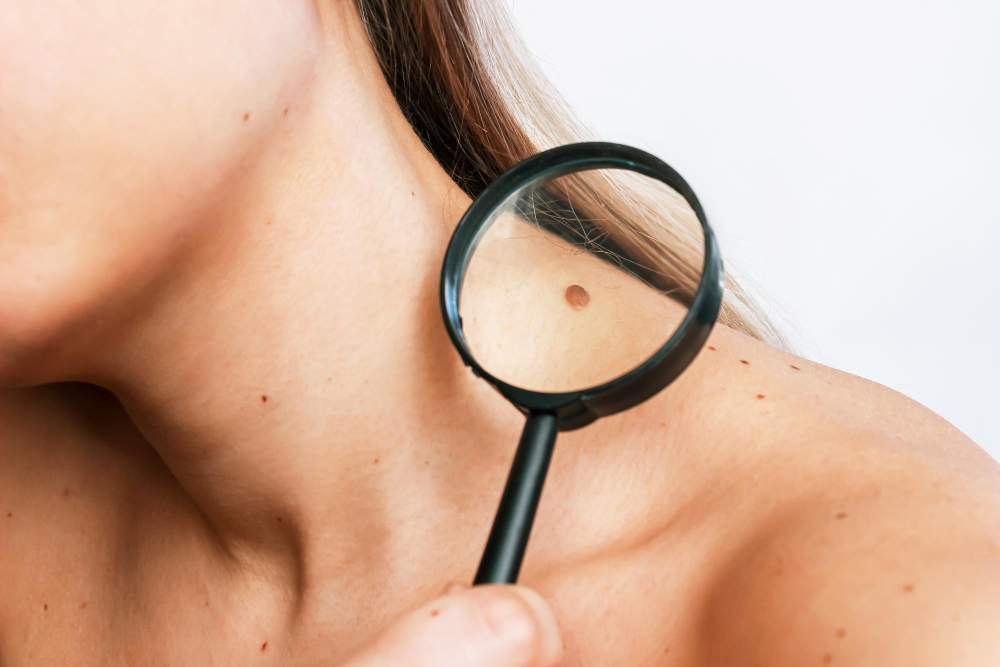
Moles are common skin growths. They appear as small, round, or oval spots. Usually, moles are brown, black, or tan. Most people have between 10 and 40 moles by adulthood. For example, some moles are flat, while others are raised. Moles can appear anywhere on the body. They often develop in childhood or during teenage years. According to the CDC, most moles are harmless and do not change over time.
What Is Melanoma?
Melanoma is a type of skin cancer. It starts in the cells that give skin its color. Unlike most moles, melanoma can spread quickly if not treated. Although rare, melanoma is the most dangerous form of skin cancer. The World Health Organization notes that early detection greatly improves survival rates. Melanoma can develop from a mole or appear as a new spot on the skin. Therefore, it is important to watch for any changes.
Key Differences Between Moles and Melanoma
It can be hard to tell the difference between a normal mole and melanoma. However, there are some key signs to look for. The “ABCDE” rule can help you spot the difference:
On the other hand, most normal moles look the same over time. They have smooth, even borders and a single color. If you notice any of the ABCDE signs, it is best to see a doctor.
Warning Signs: When to See a Doctor
Sometimes, changes in your skin can be a warning sign of skin cancer. You should see a dermatologist if you notice:
In addition, people with fair skin, a history of sunburn, or a family history of skin cancer should be extra careful. Early action can prevent serious problems.
Prevention and Skin Health Tips
Protecting your skin can lower your risk of melanoma and other skin cancers. Here are some simple tips:
For those living in sunny areas, such as the southern United States or Australia, extra care is needed. Sun exposure increases the risk of skin cancer. Therefore, regular skin checks are important for everyone.
Conclusion
To sum up, knowing the difference between moles and melanoma can help you spot skin cancer early. Always watch for changes in your skin. If you notice any warning signs, consult a dermatologist for personalized advice. Your skin health matters.