e - Dermatology Clinic

e-Dermatology Clinic

Mail Us

aidermatologyandaesthetics24@gmail.com

Call Us

+91-9289274441

Chemical Peels: Which One Is Right for Your Skin Type?

What Are Chemical Peels?

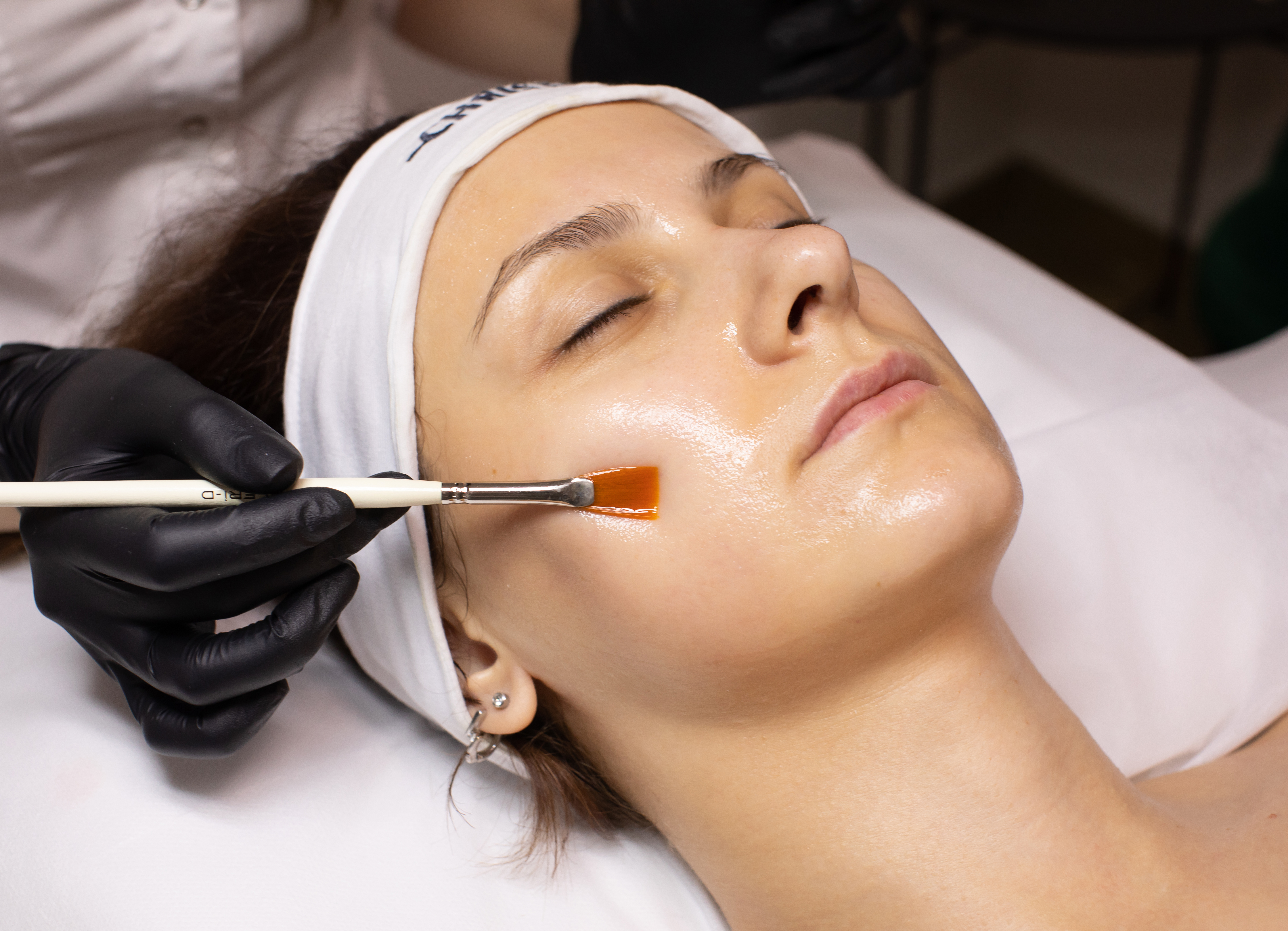
Chemical peels are skin treatments that use special solutions to remove the top layers of skin. As a result, new, smoother skin can appear. Many people use chemical peels to treat acne scars, wrinkles, or uneven skin tone. However, choosing the right type is important for your skin’s safety and results. For example, the best chemical peel for sensitive skin may be different from one for oily skin. Safe chemical peels for dark skin are also available. Understanding chemical peel types can help you make the best choice.

Types of Chemical Peels

There are three main types of chemical peels. Each type works at a different depth and is used for different skin concerns.

  • Superficial Peels: These are the mildest. They use gentle acids like alpha hydroxy acid (AHA). Superficial peels treat mild skin problems and need little recovery time.
  • Medium Peels: These use stronger acids, such as trichloroacetic acid (TCA). Medium peels reach deeper layers and can help with acne scars and wrinkles.
  • Deep Peels: These are the strongest. They use phenol or high-strength TCA. Deep peels treat severe wrinkles or scars but require longer recovery.
  • Because each peel works differently, it is important to pick the right one for your skin type.

    How to Choose the Right Chemical Peel for Your Skin Type

    Not all skin types react the same way to chemical peels. Therefore, knowing your skin type helps you choose the safest and most effective option.

  • Oily Skin: Salicylic acid peels are often best. They help clear pores and reduce oil.
  • Dry Skin: Lactic acid peels are gentle and add moisture. They can smooth dry, flaky skin.
  • Sensitive Skin: Superficial peels with mild acids, like mandelic or lactic acid, are safest. Always do a patch test first.
  • Combination Skin: Glycolic acid peels can help balance oily and dry areas. However, start with a low strength.
  • Darker Skin Tones: Mild peels, such as lactic or mandelic acid, are safer. Deep peels may cause dark spots or uneven color. Always consult a dermatologist for safe chemical peels for dark skin.
  • For best results, talk to a skin expert before starting any peel.

    Benefits and Risks of Chemical Peels

    Chemical peels offer many benefits. For example, they can:

  • Reduce fine lines and wrinkles
  • Fade dark spots and acne scars
  • Improve skin texture and tone
  • Unclog pores and reduce acne
  • However, there are also risks. Some people may notice:

  • Redness or swelling
  • Peeling or flaking skin
  • Temporary dark or light spots
  • Infection if not done properly
  • Because risks can be higher for deep peels or darker skin, always choose a trained professional. According to the American Academy of Dermatology, following safety steps can lower side effects.

    Aftercare and Recovery Tips

    Proper aftercare helps your skin heal and lowers the risk of problems. After a chemical peel, you should:

  • Keep your skin clean and moisturized
  • Use sunscreen every day, even indoors
  • Avoid picking or scratching peeling skin
  • Stay away from harsh products until your skin heals
  • Follow your doctor’s advice for care and products
  • Because your skin is sensitive after a peel, gentle care is very important.

    Prevention and Safety Tips

    To stay safe and get the best results, follow these tips:

  • Always see a board-certified dermatologist for chemical peels
  • Tell your doctor about any skin problems or allergies
  • Ask about the best chemical peel for your skin type
  • Do a patch test before your first peel
  • Follow all aftercare instructions closely
  • Because each person’s skin is unique, what works for one may not work for another. For this reason, professional advice is key.

    In summary, chemical peels can refresh your skin and boost your confidence. However, choosing the right type for your skin is important for safety and results. Consult a board-certified dermatologist to find the safest and most effective chemical peel for your skin type.