
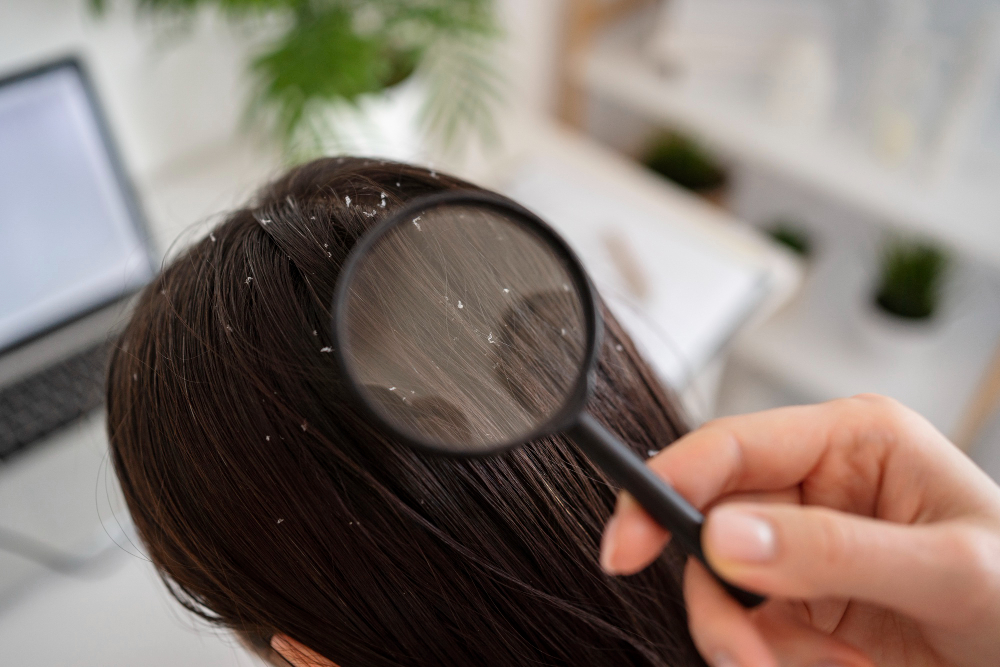
Many people face scalp problems you shouldn’t ignore. These issues can include dandruff, itching, and hair thinning. While some scalp problems seem minor, they may signal deeper health concerns. For example, causes of dandruff can range from dry skin to infections. In addition, scalp itching remedies and hair thinning solutions are often searched online. However, knowing when to see a dermatologist is important. This blog will help you understand these common scalp issues and how to manage them.
What Are Common Scalp Problems?
Scalp problems affect people of all ages. Some are mild, but others need medical care. For instance, dandruff, itching, and hair thinning are the most common complaints. Each problem can have different causes and effects. Yet, they all impact your comfort and confidence.
Sometimes, these problems occur together. Therefore, it is important to watch for changes in your scalp and hair.
Symptoms to Watch For
Early signs can help you spot scalp problems you shouldn’t ignore. Noticing symptoms early can lead to better outcomes. Here are some warning signs:
If you notice any of these, it may be time to seek help. Especially if symptoms last more than two weeks, you should consider seeing a scalp specialist in your city.
Causes of Dandruff, Itching, and Hair Thinning
Understanding the causes of dandruff, itching, and hair thinning can help you find the right solution. Many factors can trigger these scalp problems.
According to the American Academy of Dermatology, dandruff affects up to 50% of adults at some point. Therefore, you are not alone if you face these issues.
Diagnosis: When to See a Dermatologist
Sometimes, home care is not enough. If scalp problems do not improve, you should see a dermatologist. Early diagnosis can prevent further damage. Here are signs you need expert help:
In addition, a dermatologist can check for hidden causes. They may suggest tests or special treatments. If you live in a large city, search for a scalp specialist in your area for faster care.
Effective Treatments and Home Care
Many scalp problems can be managed at home. However, some cases need medical treatment. Here are some scalp itching remedies and hair thinning solutions:
For severe or stubborn cases, only a doctor can provide the right care. According to the CDC, early treatment can prevent long-term scalp damage.
Prevention Tips for a Healthy Scalp
While some scalp problems are hard to avoid, you can lower your risk. Here are simple tips for a healthy scalp:
By following these steps, you can keep your scalp and hair healthy. Prevention is always better than cure.
Conclusion
Scalp problems you shouldn’t ignore include dandruff, itching, and hair thinning. Early action can help you avoid bigger issues. If you notice persistent scalp problems, consult a dermatologist for personalized advice.